
MOST MEMORY CARE COMMUNITIES ENTER THE FAMILY DECISION PROCESS TOO LATE
By the time many families schedule a tour, they’ve often already decided who feels safest to trust.
And that’s one reason occupancy pipelines often become inconsistent and reactive.
Not because communities provide poor care.
Because most caregivers are forced to navigate one of the hardest decisions of their lives largely alone.
They’re trying to understand:
whether memory care is actually needed
when the right time may be
and what good care really looks like
So they delay.
They search online for answers late at night trying to understand what they’re supposed to do.
“I just want my life back.”
— Alzheimer’s caregiver
That exhaustion exists long before most families ever contact a memory care community.
And that creates a major challenge for operators.
Because if your community only appears once caregivers actively begin searching for care, you’re entering the relationship very late in the decision process.
By the time most communities receive an enquiry, people have often already shaped:
their assumptions about memory care
what they believe safe care looks like
who they trust
and what type of provider feels emotionally reassuring
That’s where trust is formed.
Long before most communities ever receive a tour enquiry.
Most dementia families need guidance long before they’re ready to choose memory care.
I began developing a different approach.
Instead of waiting for caregivers to search for memory care during crisis, I started reaching them earlier through dementia guidance resources designed to help people understand:
dementia progression
caregiving challenges
when additional support may become necessary
and how to navigate difficult care decisions before crisis escalated
In 15 months:
• 18,000 dementia-family subscribers
• 40% average email open rate
• 8% click-through rate
• Hundreds of detailed caregiver responses
These were not casual readers.
These were people actively trying to understand:
caregiving stress
behavioural changes
safety concerns
burnout
and future care decisions

WHAT 18,000 DEMENTIA FAMILIES TAUGHT ME

Nobody downloads a 127-page dementia guide casually.
People engage with these resources because they urgently need guidance and reassurance.
And one thing became very clear:
Most memory care marketing reaches caregivers after they’ve already decided care is needed.
But the most important trust and safety decisions happen before that stage.
That’s where long-term occupancy stability often begins.

THE DEMENTIA FAMILY ACQUISITION SYSTEM
After building and engaging an 18,000-person dementia-family audience, I’m now offering this model to a small number of memory care operators as founding partners.
The objective is simple:
Help your community become the trusted resource earlier in the dementia-family decision process.
The system is designed around how dementia-family decisions actually happen.
What you receive
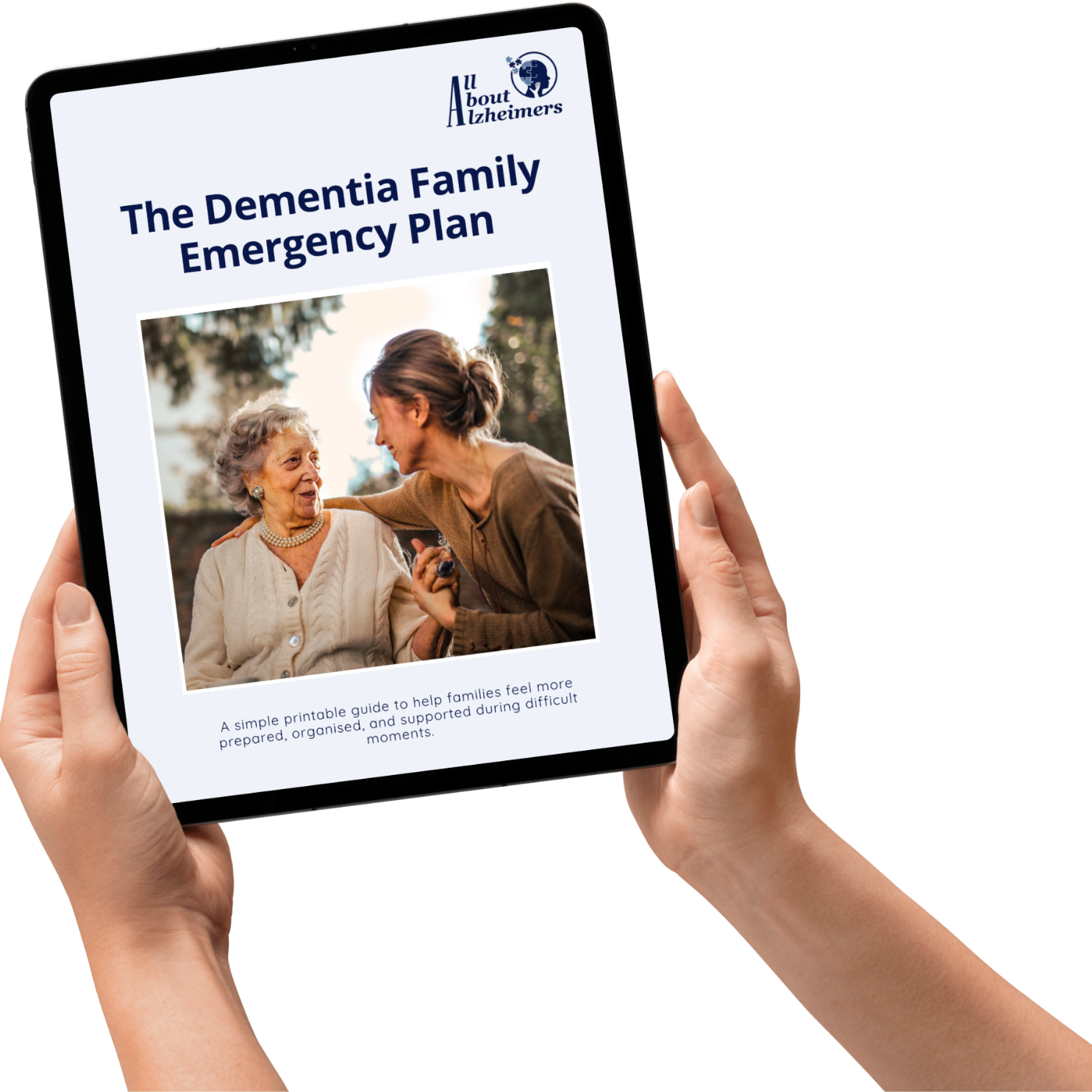
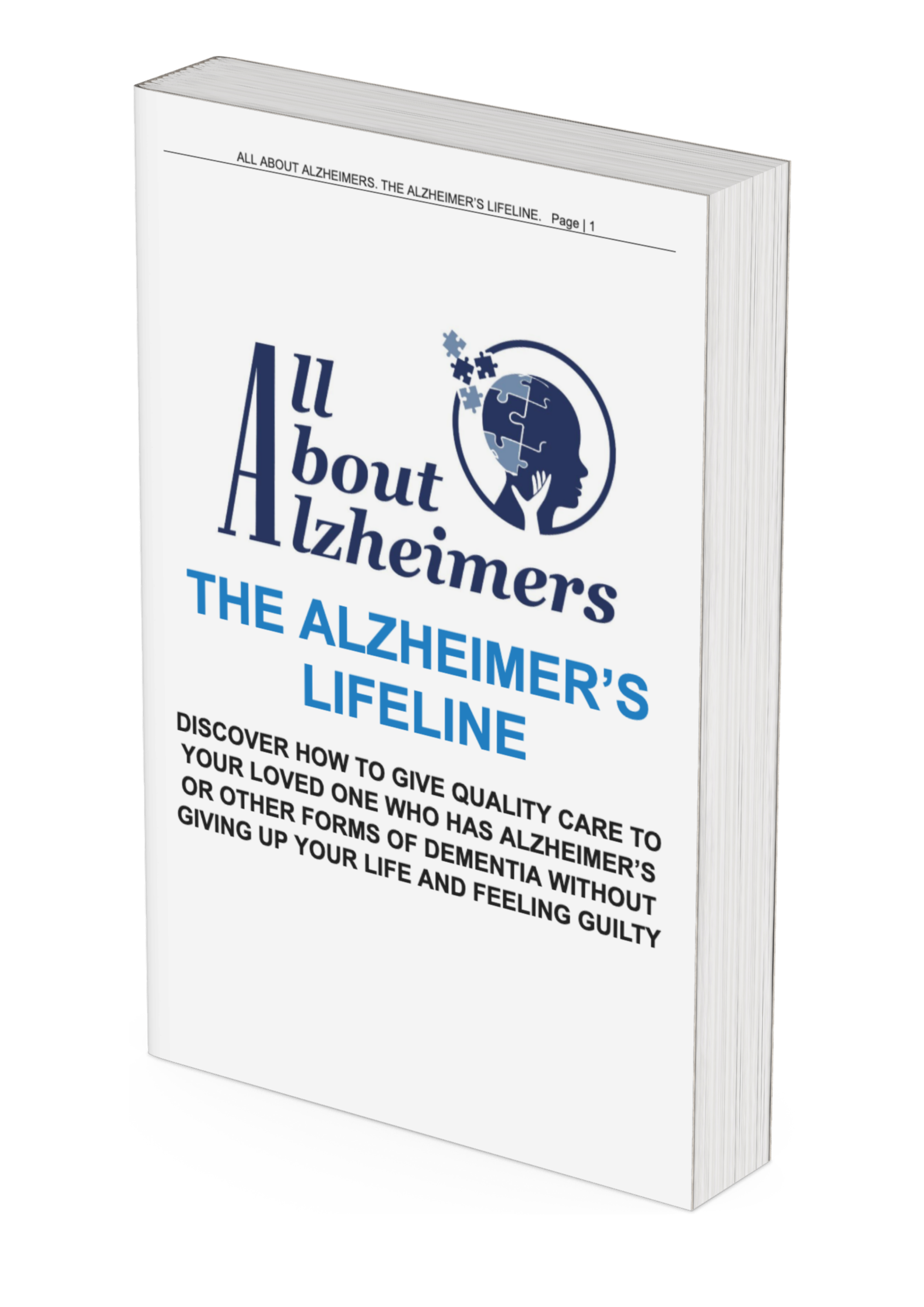
1. Early-Stage Family Acquisition
We use dementia guidance resources branded for your community to reach caregivers actively trying to understand dementia-related care decisions.
This includes resources such as:
• Dementia Family Emergency Plan
• Alzheimer’s Lifeline
• Dementia caregiving guides
• Care-planning resources
When people request these resources, their information is delivered directly to your community.
These are not generic senior-living enquiries.
These are caregivers already navigating real dementia-related decisions and actively seeking reassurance and guidance.

2. Ongoing Family Nurture & Visibility
Most families do not act immediately.
They need time to:
process difficult emotions
speak with family members
overcome guilt
understand what level of care may eventually be needed
and build trust
Each week, we provide follow-up guidance content for your community to send to your audience.
You simply add your branding and distribute it.
The implementation is intentionally lightweight for your team.
The goal is simple:
Remain visible, trusted, and reassuring while caregivers continue moving through the decision process.
When families finally become ready to tour, they rarely start from zero.
They usually return to the names they already recognise and trust.

3. County exclusivity
We only work with one memory care operator per county.
This avoids competing campaigns within the same market and protects long-term positioning for our founding partners.
THE ECONOMICS
Founder Partner Investment:
• $2,000/month
(system management, family acquisition infrastructure, guidance assets, nurture content)
Recommended Ad Budget:
• Typically starts around $1,000–2,000/month depending on market size and competition
For most operators, one additional long-term resident can justify months of campaign investment.
But this is not really about lead volume.
It’s about occupancy stability.
Most occupancy instability starts long before occupancy declines become visible.
Operators with the strongest long-term performance usually have one thing in common:
More predictable enquiry flow from caregivers who already trust them before the first tour ever happens.

WHY THIS MODEL IS DIFFERENT
Most senior-living marketing focuses on capturing families once they’re already searching for care.
This model is designed to reach people much earlier in the decision process through trusted dementia guidance.
Not when they’re comparing facilities.
When they’re still trying to understand:
what is happening
what decisions matter
and what type of support may eventually be needed
The goal is not generating huge volumes of low-quality enquiries.
The goal is creating more consistent, higher-intent dementia-family enquiry flow from caregivers who already see your community as a trusted resource.
FOUNDER PARTNER STRUCTURE
We’re currently onboarding a small number of founding operators before broader expansion.
Founder Partners receive:
✅ Complete system setup
✅ Dementia-family acquisition campaigns
✅ Branded family guidance resources
✅ Weekly nurture content
✅ Ongoing management and optimisation
✅ County exclusivity
✅ Founder pricing locked at $2,000/month
Future pricing will increase as additional territories are filled.
The partnership begins with a 90 day implementation phase designed to establish campaigns, audience engagement and early stage family visibility.
Because dementia family decisions are relationship driven rather than immediate, the system is designed around long term trust formation rather than short term lead spikes.
At the end of the initial 90 days, we conduct a strategic review together before continuing into an ongoing partnership structure.
Future pricing will increase as additional territories are filled.

WHO THIS IS BEST SUITED FOR
Operators who understand dementia families need guidance, not pressure
Communities focused on long-term occupancy stability
Operators looking to reduce dependence on referrals alone
Communities that understand trust is often formed before the first tour
This is designed for operators focused on long-term relationship-based family acquisition rather than short-term transactional lead generation.
NEXT STEP

If you’d like to see how this could work for your community and county, simply reply and let me know.
I’ll personally confirm whether your county is currently available and answer any initial questions you may have.
If it makes sense to explore further, we can then schedule a brief call.
The communities caregivers trust earliest are often the communities they eventually choose.
Harvey
Founder
Dementia Family Acquisition System