





Could Alzheimer's One Day Be Detected Before Symptoms Appear?
New research is bringing us closer to detecting Alzheimer's before symptoms appear. Learn what this could mean for families and caregivers.

Why Asking for Help Doesn't Mean You're Failing as a Caregiver
Feeling overwhelmed by caregiving? Learn why seeking support doesn't mean you're failing and discover practical ways to protect your wellbeing.

When Dementia Feels Bigger Than Memory Loss: Understanding What Your Loved One May Be Experiencing
Dementia affects more than memory. Learn how sensory overload, confusion and anxiety may impact your loved one, and how caregivers can provide better support.
Living with the Uncertainty of Dementia Risk
Would you want to know if you might develop dementia? Explore the emotional and practical considerations of genetic testing and family history.

The Human Impact of Alzheimer’s: Why Diagnosis and Caregiver Support Matter
Alzheimer’s affects more than memory. Learn about the real impact on caregivers, the importance of early diagnosis, and why people want clarity.

Dementia Myths Debunked: Why Early Diagnosis Still Matters
Think there’s no point in a dementia diagnosis? Discover the truth behind common myths and why early diagnosis can improve quality of life and care options.
Dementia Myths Debunked: What’s Delaying Diagnosis
Discover the most common dementia myths that delay diagnosis. Learn the early signs, why they’re misunderstood, and when to seek help.

Caregiver Stress in Dementia: How to Recognise It and Actually Cope
Learn how to recognise caregiver stress in dementia and practical ways to manage it. Includes warning signs, emotional symptoms, and coping strategies.

10 Lessons from a Dementia Caregiver
Discover 10 real-life lessons from a dementia caregiver, including communication tips, managing confusion, and how to support a loved one.

5 Foods That May Help Support Brain Health
What you eat can play a role in long-term brain health. From eggs and colourful vegetables to whole grains and flavonoid-rich foods, these simple dietary choices may help support memory and reduce inflammation over time.
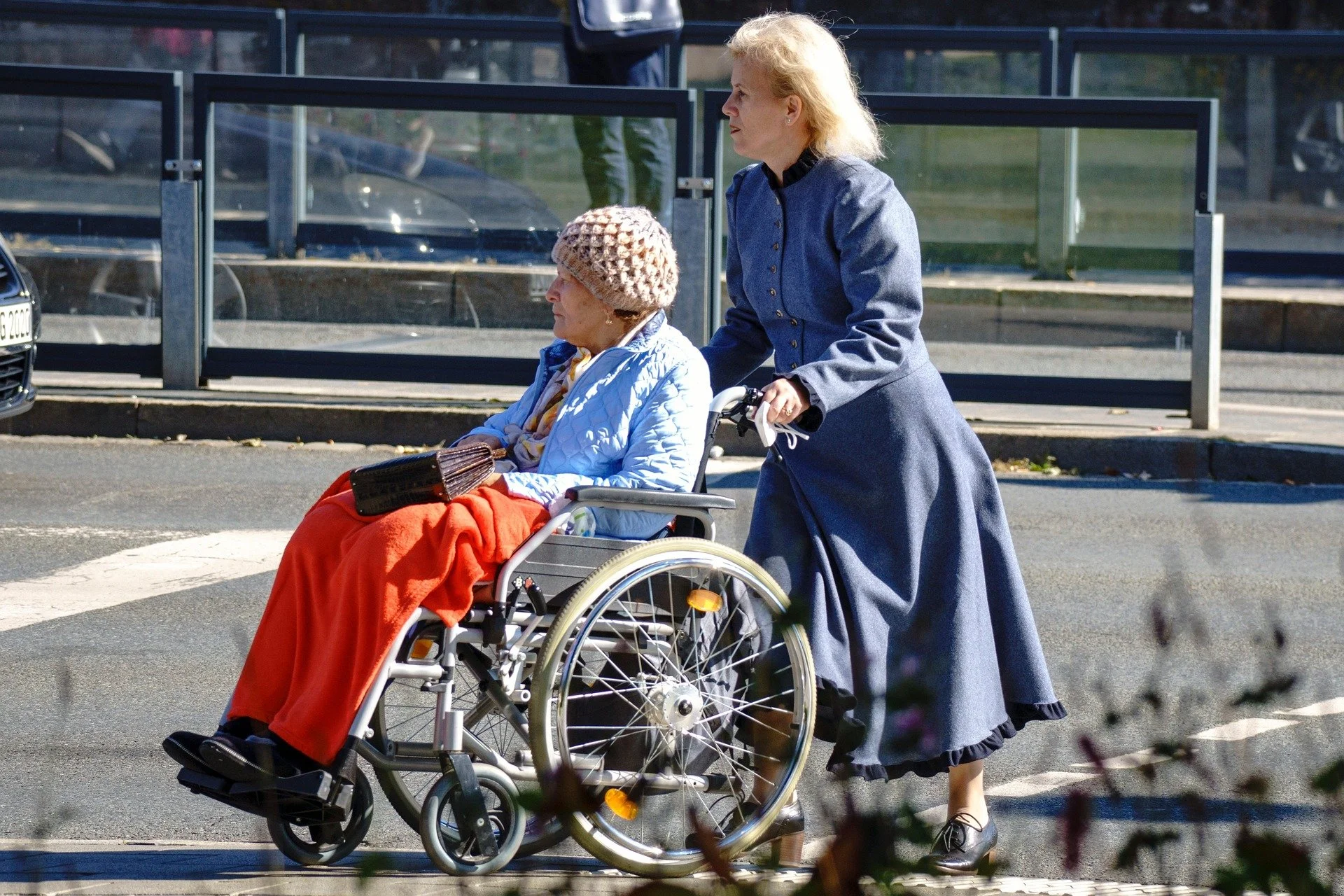
“The Guilt Doesn’t Go Away”: A Caregiver’s Experience of Letting Go
Katrina cared for her husband Ian as his condition progressed from Parkinson’s to early onset dementia. When the time came to move him into a care home, she felt overwhelming guilt, but also found a new way to be present with him.

5 Reasons a Dementia Diagnosis Can Help More Than You Think
A dementia diagnosis can feel overwhelming, but it can also bring clarity, access to support and the chance to plan ahead. These five benefits show why knowing can be more empowering than staying in uncertainty.
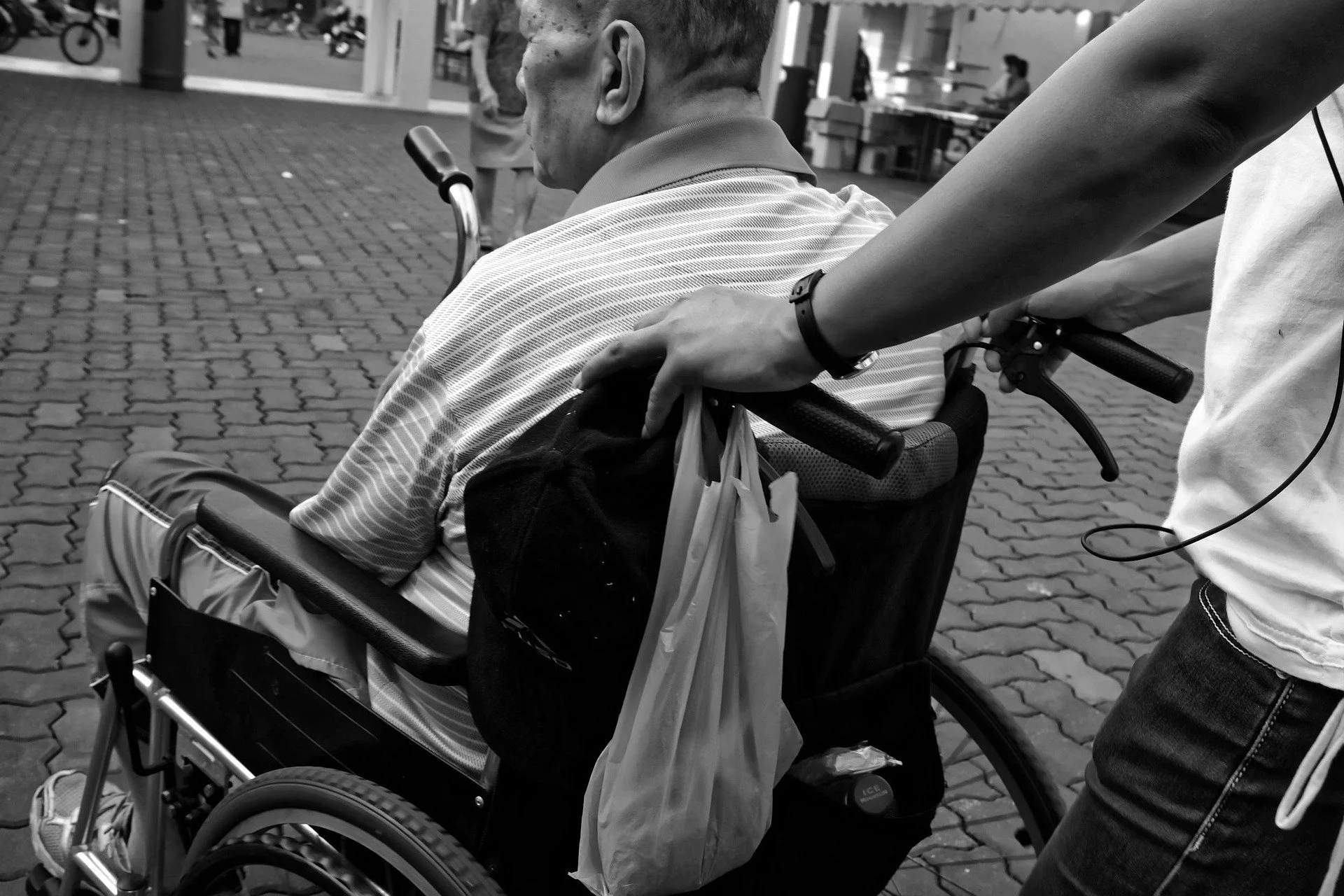
“It Feels Like Grieving Someone Still Here”: Amy’s Caregiving Story
Amy describes her mother as the “keeper of our stories” and the heart of every family gathering. As Alzheimer’s progressed, she found herself grieving someone still physically present, while learning to find meaning in small, fleeting moments of connection.

8 Everyday Habits That May Help Reduce the Risk of Alzheimer’s
There is no guaranteed way to prevent Alzheimer’s, but some everyday habits may help reduce risk and support long-term brain health. From strength-building and staying social to hearing checks and oral hygiene, these eight actions show how small choices can add up over time.

Beyond Lecanemab and Donanemab: 3 Alzheimer’s Drug Developments to Watch
Lecanemab and Donanemab marked major milestones in Alzheimer’s treatment, but researchers are continuing to explore new options. These three developments show where the next wave of Alzheimer’s drug research may be heading, including alternative mechanisms and easier-to-take oral treatments.

“The Diagnosis Isn’t the End of the World”: Carol’s Story of Living Well With Alzheimer’s
Carol was diagnosed with Alzheimer’s at 64 after a full working life, but she continues to live independently, stay active and contribute to Alzheimer’s Society groups. Her story is a reminder that life after diagnosis can still hold connection, purpose and hope.