

How to Talk to Children About Dementia With Honesty and Reassurance
Children often notice more than adults realise when dementia is affecting someone they love. Honest, simple conversations can help them feel safer, more informed and better able to stay connected with a grandparent or relative living with dementia.

What Lecanemab Meant for One Family: Larry’s Experience With Treatment
After being diagnosed with mild cognitive impairment, Larry joined a Lecanemab trial and began receiving infusions every two weeks. His experience offers a hopeful but realistic look at what treatment can mean for some families living with memory changes.

When Alzheimer’s Changes Life Earlier Than Expected: Melissa and Kevin’s Story
When Melissa began struggling with memory and everyday tasks at work, she thought it might be stress or hormonal change. Her diagnosis of early onset Alzheimer’s changed life for both her and her husband Kevin, who suddenly found himself navigating appointments, paperwork and the emotional reality of caregiving.

10 alarming statistics that reveal the reality of dementia care in the UK
New Alzheimer’s Society data reveals serious gaps in dementia diagnosis, support, and carer wellbeing across the UK. Read the 10 key statistics.

The 30-Second Dementia Test — What Caregivers Should Know
What the 30-second clock test can (and can’t) tell caregivers about possible dementia signs.

What Recent Alzheimer’s Breakthroughs Really Mean for Caregivers
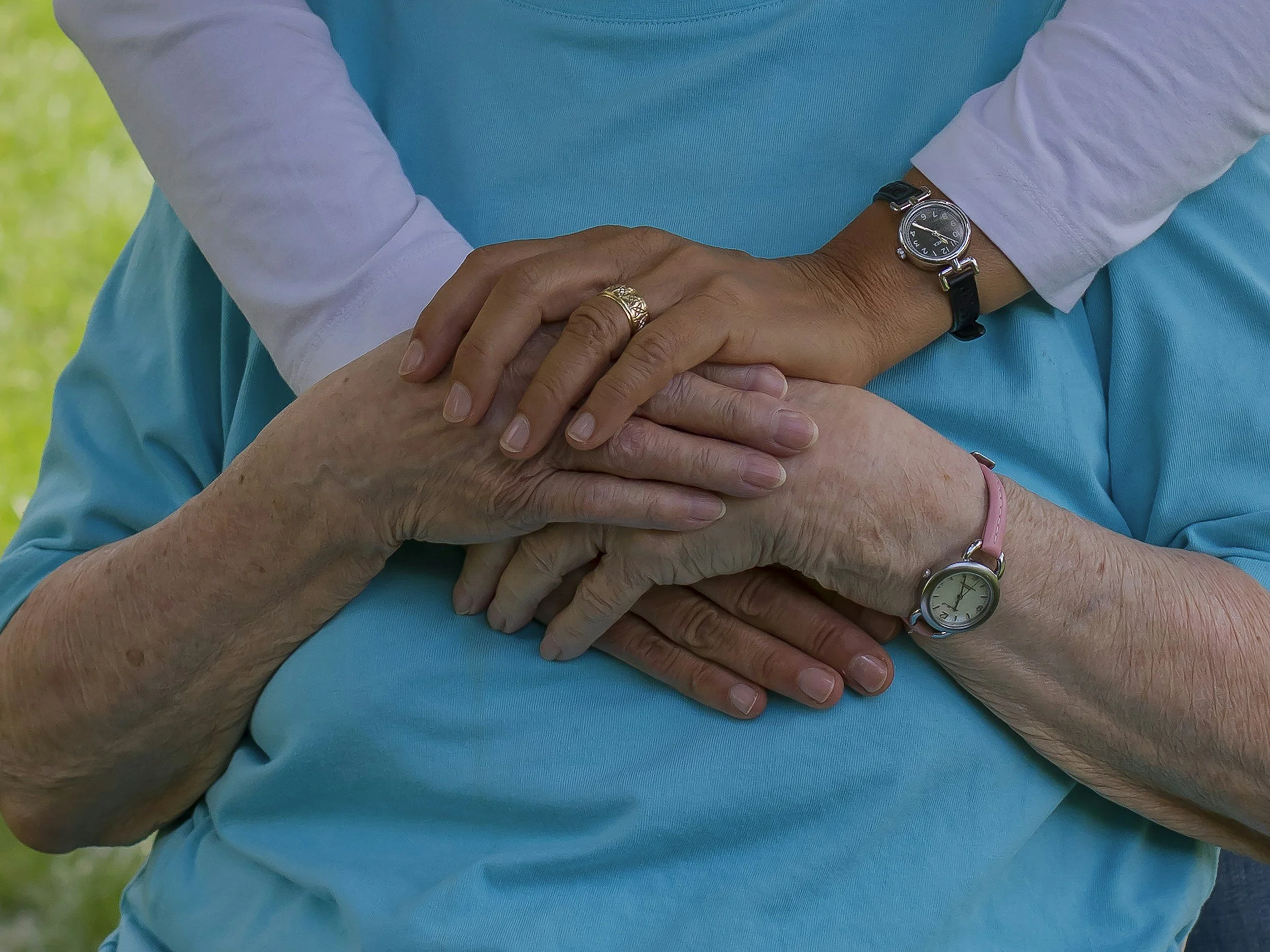
From new drugs to AI prediction, here’s what recent Alzheimer’s breakthroughs actually mean for caregivers and families.

Inspirational Stories: When a Dementia Diagnosis Fuels Extraordinary Goals
Real stories of people who pursued extraordinary goals after a dementia diagnosis, showing purpose, movement, and connection.

Seven Lessons From Lance — Living Well After an Alzheimer’s Diagnosis
A man living with Alzheimer’s shares seven honest lessons about treatment, family, travel, and life after diagnosis.

The Dementia Professor’s 10 Everyday Choices That Can Reduce Dementia Risk
A dementia professor shares 10 realistic habits that may reduce dementia risk or delay onset, based on evidence and real life.

5 Early Speech-Related Signs of Alzheimer’s
Did you know that dementia can reveal itself through subtle changes in language? From frequent pauses to reduced vocabulary, these early signs in speech can sometimes be the first clues that something more serious may be happening.

Can Blood Tests Predict Dementia Risk in the Future?
Imagine a world where a simple blood test could detect dementia years earlier than ever before. Researchers believe this could soon be reality — with tests already in NHS trials and showing up to 90% accuracy in research settings.
Living with Early-Onset Alzheimer’s: Rebecca Luna’s Story
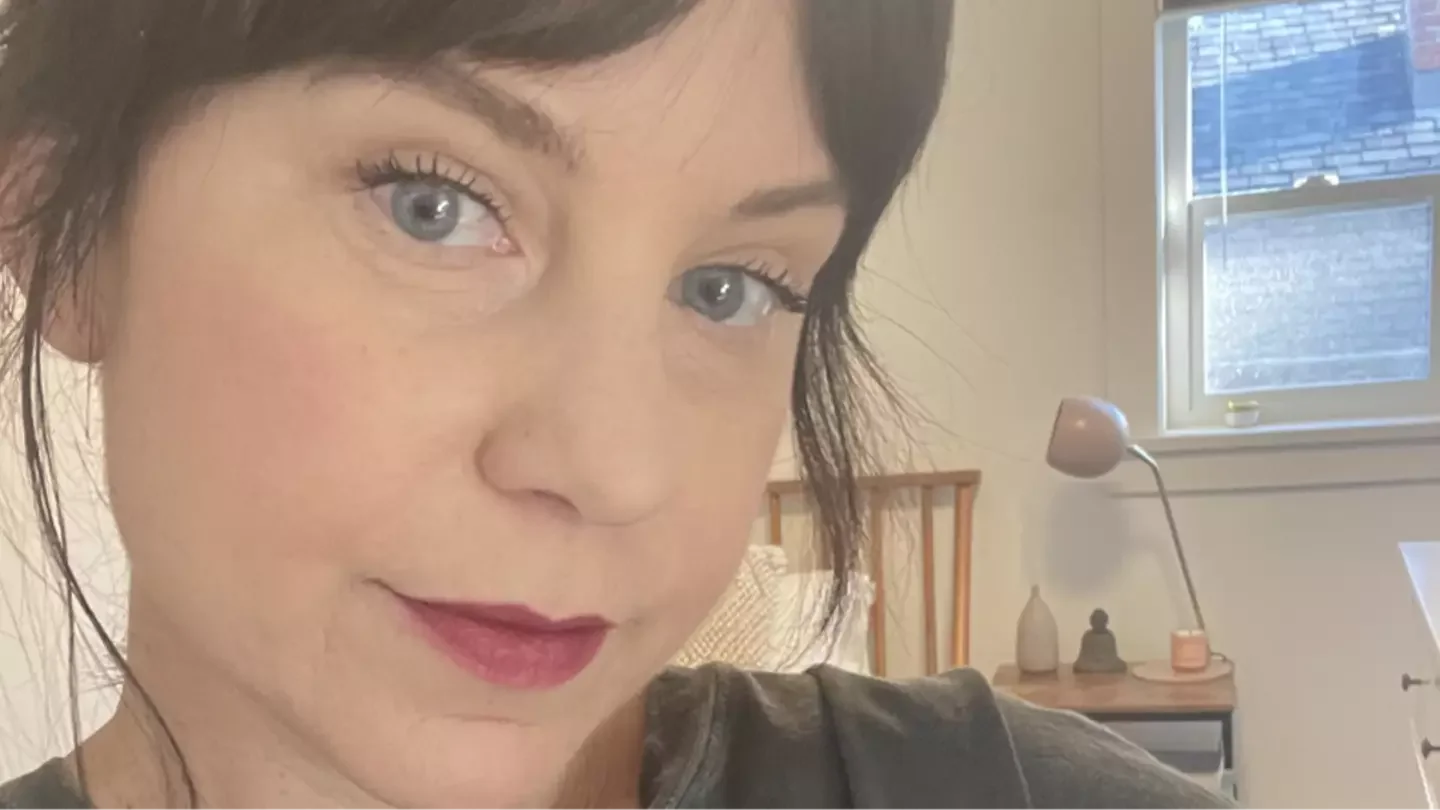
At just 48, Rebecca Luna was diagnosed with early-onset Alzheimer’s. Faced with memory lapses and a difficult diagnosis, she turned to TikTok for support — and found millions of people offering tips, encouragement, and solidarity. Her story shows the power of community in the face of dementia.
Turning Pain into Purpose: Helen McDavitt’s Story
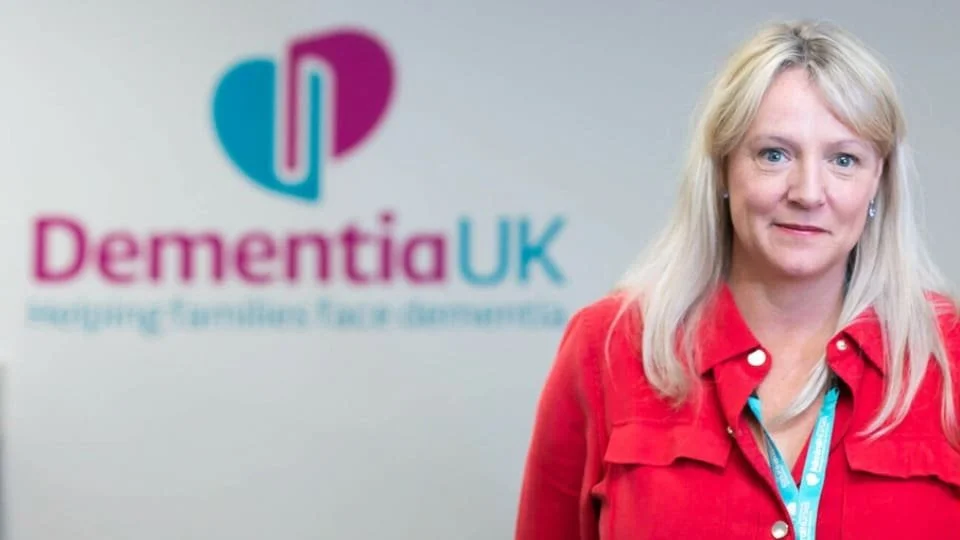
After losing her grandmother, father, and later supporting her mother through dementia, Helen McDavitt could have let grief take over. Instead, she channelled her pain into purpose — training as a nurse and dedicating her career to helping families navigate the realities of dementia.

Why Clinical Trials Matter – and Why More People Should Know About Them
What’s it really like to take part in a dementia clinical trial? For Marion and her husband Geoff, it was about more than appointments and assessments — it was about hope. Their story reminds us why clinical trials matter, not just for science, but for every family touched by dementia.

Understanding Anticipatory Grief in Dementia
Grief doesn’t always wait for death. For dementia carers, it can begin long before — and understanding this type of grief can be deeply healing.

Bill Gates on Alzheimer’s: Why There’s Hope on the Horizon
After losing his father to Alzheimer’s, Bill Gates has backed global efforts to improve early detection and treatment — and believes hope is near.

The Cognitive and Emotional Benefits of Gardening for People Living With Dementia
From Norway’s care farms to UK green prescriptions, gardening is proving to be more than a hobby — it's a therapeutic tool for dementia care.

Are the Side Effects of Lecanemab Manageable?
Lecanemab is a promising Alzheimer’s drug, but concerns about brain swelling and bleeding have left some unsure. A new study offers reassurance.

Why Power of Attorney Is One of the Most Important Legal Steps in Dementia Care
Power of Attorney is more than paperwork — it's a vital safeguard. Here’s what it does, why it matters, and how to act before it’s too late.